Iran commands the upper hand in the Strait of Hormuz, transforming a vital global artery into a tool of deterrence and disruption that offsets its military disadvantages in the ongoing war with the United States and Israel. By blending geography with innovative low-tech tactics, Tehran has imposed real costs on its adversaries, halting the flow of energy and reshaping the economics of conflict.
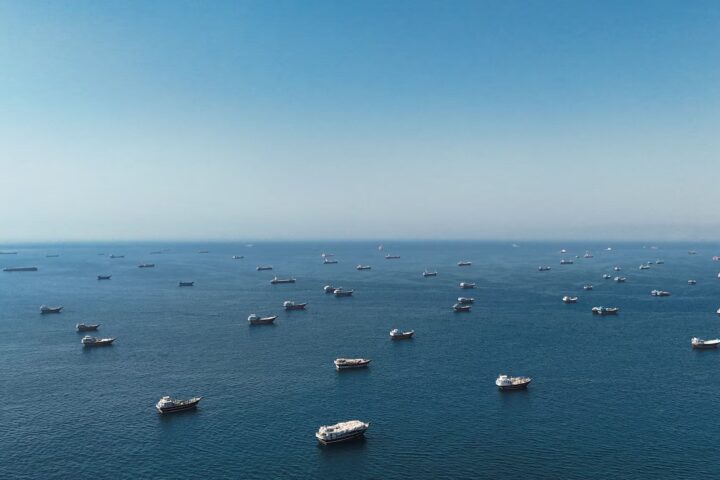
Thank you for reading this post, don't forget to subscribe!On March 27, 2026, satellite data and shipping trackers show the once-busy waterway largely paralyzed, with only select Iranian-flagged vessels moving under tight security protocols. This effective blockade, achieved without a blue-water navy, underscores Iran’s strategic acumen and the limits of conventional power projection.
Geography as Iran’s Ultimate Ally
Few strategic locations favor the defender as starkly as the Strait of Hormuz. Flanked by Iranian territory on one side and Omani waters on the other, the passage’s narrowest points place shipping within easy reach of shore-based systems. Coastal mountains provide natural cover for missile batteries, while concealed coves harbor swarms of small boats ready for rapid deployment. This layout, long studied by IRGC planners, turns the strait into an extension of Iran’s homeland defense.
Analysts at the Center for Strategic and International Studies and similar groups, referenced in recent coverage, emphasize that the confined waters limit the effectiveness of large U.S. carrier groups. Maneuverability is restricted, radar clutter increases, and the risk of collateral damage to neutral shipping rises. Iran has spent years fortifying these advantages, creating a layered defense that prioritizes harassment over outright confrontation.
The Economics of Disruption: Oil Prices and Global Pain
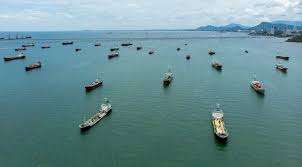
Iran’s upper hand manifests most clearly in the economic realm. With 20 percent of world oil and significant LNG volumes at stake, even sporadic attacks or mine warnings suffice to spook markets. Tanker traffic has plummeted, pipelines offer only partial relief, and insurance for the region has effectively dried up. The result: higher fuel costs worldwide, squeezed Asian economies, and political headaches for leaders already navigating inflation.
Fox Business and Bloomberg reports capture the ripple effects. Shippers diverting around the strait face delays and premiums that could persist for months. For Iran, this isn’t collateral damage—it’s the point. By raising the price of continued hostilities, Tehran pressures Washington to consider de-escalation on terms more favorable to the regime’s survival. Gulf producers, though harmed, hesitate to push too hard, fearing Iranian retaliation against their own facilities.
Why Iran Holds the Upper Hand in the Strait of Hormuz
The title question finds its answer in Iran’s asymmetric playbook. Rather than matching U.S. firepower, Tehran relies on volume and unpredictability. Thousands of naval mines, deployable from fishing boats or rocket launchers, create persistent hazards. Drone swarms and missile salvos from mobile coastal positions overwhelm point defenses. Fast attack craft, numbering in the hundreds, exploit speed to close distances quickly.
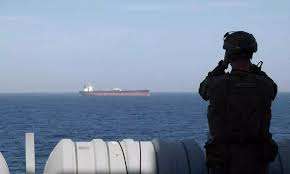
CNN reporting, including dispatches from national security correspondent Zachary Cohen, details how these methods have forced U.S. Central Command to prioritize de-mining and escort missions. Yet experts caution that months of strikes may be needed to fully neutralize the threat, during which Iran can regenerate capabilities using dual-use technology. This resilience stems from the IRGC’s decentralized structure and deep integration with the coastline it defends.
Regional Repercussions and Allied Hesitation
The strait crisis tests alliances. Gulf states host U.S. bases yet dread becoming battlegrounds. China, a major buyer of Iranian and Gulf oil, watches shipments stall without preferential treatment—a sign that Iran’s control is impartial in its disruption. European nations, already energy-stressed, quietly urge restraint.
NBC and Reuters coverage highlights the diplomatic bind. Trump’s ultimatum to reopen the strait or face strikes on Iranian power plants met defiance from Tehran, which countered by threatening regional energy infrastructure. This tit-for-tat raises the specter of wider war, exactly the leverage Iran seeks.
Future of the Strait: Enduring Iranian Influence?
Longer term, Iran’s upper hand may force a rethinking of Gulf security. Multinational patrols or new diplomatic frameworks could emerge, but Tehran’s proximity ensures it retains veto power over smooth operations. As one Brookings Institution voice noted in recent analysis, the episode proves that chokepoints remain potent equalizers in an era of great-power competition.
Iran’s strategy has already altered the conflict’s trajectory, compelling adversaries to weigh economic fallout against military gains. Whether the strait reopens fully or remains contested, the lesson is clear: geography and ingenuity can still trump technology when wielded with resolve.
This article is based on reporting from BBC, CNN, NBC, Fox News, New York Times and other media outlets.
Focus keywords: Iran Strait of Hormuz upper hand, Iran economic leverage Hormuz, why Iran dominates Strait of Hormuz, Hormuz oil disruption 2026, Iran IRGC Navy strategy