Escalation Looms in Persian Gulf as Iran Promises Counterstrike Over Captured Ship

April 20, 2026
Persian Gulf

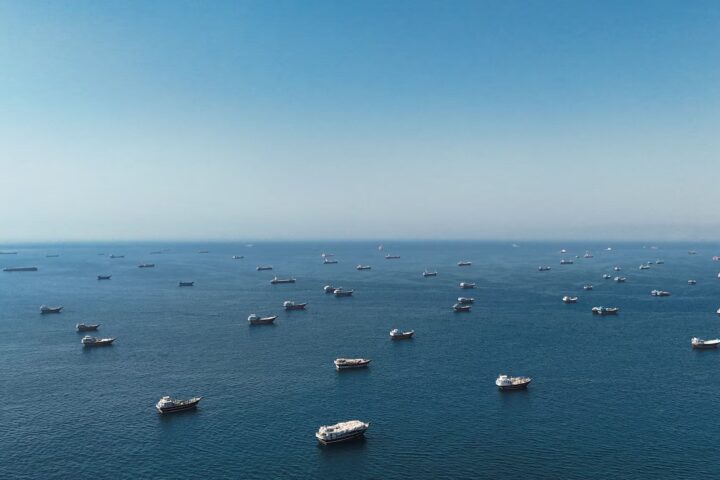
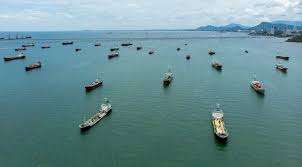
Tehran has vowed retaliation after the United States seized an Iran-flagged vessel that was defying a naval blockade, injecting fresh volatility into an already combustible relationship and raising the specter of direct military confrontation between the two nations. The incident has dominated headlines from the Gulf to the White House Situation Room, with officials on both sides bracing for what could become the most serious maritime clash in years.

Thank you for reading this post, don't forget to subscribe!

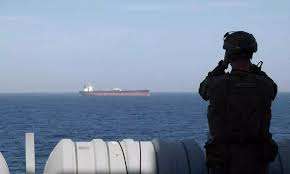
The operation took place on April 19, 2026, when U.S. forces boarded and diverted the Iran-flagged tanker in international waters approximately 40 miles off the coast of Oman, according to a timeline confirmed by multiple defense sources. The vessel, loaded with crude destined for Chinese refineries, ignored radio warnings and attempted to outrun pursuing American destroyers before being halted by warning shots across its bow.

Pentagon planners had been tracking the ship for days as part of routine sanctions-monitoring flights. “This was not a random interdiction,” a senior Navy officer said in a briefing for reporters traveling with the fleet. “It was textbook enforcement of established policy.” The tanker’s captain reportedly claimed the ship was exercising freedom of navigation, a position Tehran has repeatedly asserted in recent months.

Tehran Vows Retaliation After U.S. Seizes Iran-Flagged Vessel Defying Blockade

Iran’s response was swift and uncompromising. In a televised address, a top Revolutionary Guard naval commander declared that “the blood of our sailors will not be shed in vain.” Iranian media reported that missile batteries along the Gulf coast had been placed on heightened alert, and small fast-attack boats were conducting drills near the strait. A statement from the Supreme National Security Council warned of “proportionate and decisive” measures, language that Western intelligence officials interpret as a possible prelude to attacks on commercial shipping or U.S. assets using proxy militias.

The episode fits a familiar pattern of Iranian pushback against perceived American overreach. In 2019, Iran seized British and other tankers in retaliation for the detention of an Iranian vessel off Gibraltar. This time, the stakes feel larger because the blockade has tightened in tandem with U.S. efforts to isolate Iran’s oil trade amid its deepening partnership with Russia and China.

U.S. officials insist the action was lawful and necessary. Secretary of State Marco Rubio, in remarks at a State Department briefing, called the seizure “a measured response to Iran’s systematic evasion of sanctions that fund terrorism across the region.” Rubio declined to detail classified intelligence but noted that the tanker’s ownership structure linked directly to entities designated by the Treasury Department for supporting the Revolutionary Guard.

Yet the move has exposed vulnerabilities in the U.S. deterrence posture. The Navy’s surface fleet in the region has been reduced by maintenance cycles and competing demands elsewhere. Retired Adm. James Stavridis, former NATO supreme commander, told NBC News that “Iran senses an opportunity to test American resolve while Washington’s attention is divided.” Stavridis cautioned that miscalculation could lead to a rapid spiral, especially given Iran’s arsenal of anti-ship missiles and drones.

Regional players are watching nervously. Saudi Arabia and the United Arab Emirates, which normalized ties with Israel under the Abraham Accords, quietly increased their own naval patrols. Israel, though not directly involved, issued a statement expressing support for “enforcing maritime security.” Meanwhile, Qatar and Oman, which maintain ties with Tehran, have offered to mediate.

Economic fallout is already visible. Insurance rates for tankers transiting the Gulf have spiked 30 percent in the past 48 hours, according to Lloyd’s of London data. Asian buyers, heavily dependent on Iranian discounted crude, are scrambling for alternative supplies from Iraq and the United States itself. Goldman Sachs analysts revised their 2026 oil price forecast upward by $8 a barrel, citing “geopolitical risk premium.”

Domestic politics in both capitals are shaping the narrative. In Tehran, hard-line lawmakers have used the incident to criticize President Pezeshkian’s diplomatic overtures, demanding a harder line. In Washington, Republican lawmakers have praised the seizure as long overdue, while some Democrats worry it could derail any remaining chance of reviving nuclear negotiations.

Experts from the International Crisis Group and the Carnegie Endowment have published rapid analyses urging quiet diplomacy. “Both sides have domestic incentives to look tough,” said Karim Sadjadpour of Carnegie. “But neither wants an all-out war that would devastate the Gulf economy.” Sadjadpour pointed to recent indirect talks in Oman as a possible off-ramp, though Iranian officials have so far refused direct contact with the United States.

As the MV Persian Glory sits under U.S. guard at a Bahraini port, its crew remains in legal limbo. Iranian diplomats are pressing for their immediate release, while U.S. prosecutors prepare charges under sanctions statutes. The coming week will test whether the crisis remains contained to rhetoric or spills into open conflict.

Brian Gomiz

Brian Gomiz

14 years in media business

Don't Miss

ZAKRO EBELASHVILI, Chief Executive Director of Element Holding

Element Holding: Capable of Undertaking Construction Projects of Any Complexity

With ten companies involved in the construction sector, parent company
Russian President Vladimir Putin

Putin’s Ceasefire Puzzle: Questions Linger as Drones Strike Overnight

On March 13, 2025, Russian President Vladimir Putin expressed cautious