Over the past decade, the Women Business Council in Georgia (WBCG) has evolved into one of the country’s key platforms supporting women entrepreneurs. Founded in 2015, the organization brings together business leaders from diverse sectors and works to strengthen their professional networks, expand business opportunities and promote greater visibility for women in the national economy.
Thank you for reading this post, don't forget to subscribe!Through training programs, international partnerships and advocacy initiatives, WBCG aims to create a more inclusive and dynamic business environment. The Council has also been a long-standing partner of the Golden Brand Awards, supporting a platform that recognizes excellence, quality and reputation in the Georgian business sector.
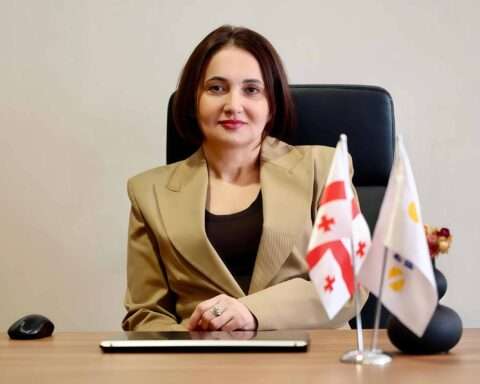
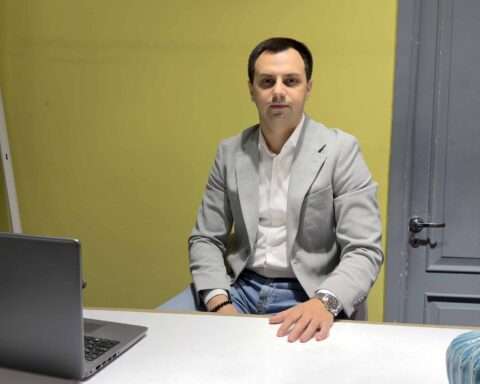
In this interview, Natia Meparishvili, Executive Director of the Women Business Council in Georgia, discusses the organization’s impact, the challenges still facing women entrepreneurs and the trends shaping the future of women-led businesses.
Q. The WBCG has become an influential platform in the country’s business landscape. How would you assess its impact on the development of women-led businesses in recent years?
A. The Council has become a leading organization in Georgia through years of consistent support for women entrepreneurs. For over a decade, we have focused on building partnerships and initiatives that strengthen women’s role in business.
Our impact is clear in networking and knowledge sharing, connecting women across sectors to exchange experience, find partners and expand their businesses.
We also offer trainings, workshops and meetings on management, marketing, innovation and leadership. A recent initiative, WBCG Connect, is a monthly platform where entrepreneurs share expertise and discuss practical challenges.
These efforts help members grow professionally and build stronger, more sustainable businesses.
Q. In your view, what are the main structural barriers women entrepreneurs in Georgia still face, particularly when scaling their businesses?
A. One of the main challenges remains access to financial resources. Many women entrepreneurs still face difficulties obtaining investment capital, bank financing, or other funding, which is essential for business expansion and entering new markets.
Another issue is access to professional networks and platforms, which often determine opportunities for partnerships, investment and international cooperation.
It is also important to note that women in Georgia still predominantly own startups and small businesses, which often have limited access to resources needed for scaling.
Addressing these barriers requires both policy-level attention and stronger cooperation between the private sector, financial institutions, and business organizations.
Q. The Council has been a long-time partner of the Golden Brand awards. Why is supporting such initiatives important for your organization and for business culture in Georgia?
A. Our cooperation with Golden Brand Awards is extremely valuable. Over the years, the platform has become an important space where companies can present their achievements to a wider audience and gain recognition for quality and professionalism.
At the same time, initiatives like Golden Brand help strengthen modern business culture by promoting transparency, corporate responsibility and high professional standards. Recognizing successful brands encourages healthy competition and motivates companies to improve quality, innovation and customer-oriented services.
Ultimately, such platforms contribute to building an environment where reputation, trust and ethical business practices play a key role in economic development and in strengthening Georgia’s business ecosystem and international image.
Q. Do women-led companies approach branding and reputation management differently?
A. Research suggests some distinctive patterns in women-led companies. International studies based on World Bank data show that female leadership is often linked to strong innovation and effective organizational performance.
One notable characteristic is a stronger emphasis on ethical and social responsibility, where a brand reflects not only a product or service but also the company’s values and culture.
Women-led businesses also tend to adopt a customer-focused and relationship-based approach, which helps build long-term trust with clients.
In addition, many take a long-term perspective on reputation management, developing their brands gradually through consistent quality, strong partnerships and responsiveness to feedback.
Q. How does public recognition, including industry awards, influence the growth and confidence of women entrepreneurs?
A. Public recognition has long played a key role in business. Historically, guilds in medieval Europe awarded “master” titles to skilled artisans, signaling quality to consumers – an early form of reputational marketing.
Today, industry awards serve the same purpose: they enhance brand credibility, visibility and competitive advantage. For women entrepreneurs, such recognition is especially meaningful, strengthening brand awareness and trust – critical factors for scaling and growth.
Q. What trends are you currently observing among women-led businesses in Georgia?
A. According to the National Statistics Office of Georgia (2022) and UN Women and the International Labour Organization (2023), women’s participation in entrepreneurship is growing, with women owning about one-third of economically active businesses in Georgia. However, their share in private-sector managerial positions remains low at around 16.5 percent.
Technological developments have also boosted women’s involvement in creative and innovation-driven industries, a trend expected to grow. To support this, the Council is running an international project, Women in Art, which helps women in creative industries and fosters cross-sector collaboration.
Q. What are the Council’s strategic priorities for the coming years?
A. Currently, we are organizing two international business visits for women entrepreneurs – one to Turkey and another to Romania. These visits aim to strengthen international connections and open new partnership opportunities.
Starting this autumn, we will also launch new training programs focused on marketing, as well as initiatives aimed at increasing awareness of digital technologies and artificial intelligence tools.
Our goal is to help create a business ecosystem where the next generation of women leaders can build innovative, sustainable and globally connected companies.